This post contains affiliate links, and Amazon associate links which means I may earn a commission at no extra cost to you if you buy through them, and it may also include links to my own paid digital products. I use AI tools to help with drafting and editing; however, every post is reviewed, fact-checked, and approved by me before publication, and all client results and numbers are real.
I once spent a chunk of a Sunday pressing flowers inside a stack of old encyclopedias.
I had zero clue how to do it.
So I typed it into Pinterest like a normal person… and fell straight down a forty-minute rabbit hole about which books press the flattest. Nobody sold me anything. I had a question, Pinterest had a whole shelf of answers, and I clicked on the ones that looked like they knew what they were doing.
That’s what your buyers are doing too, with your kind of problem.
If you typed “what is Pinterest management” into Google to get here, welcome. You probably already sense Pinterest could work for your business. It just keeps landing on your “someday” list.
This post is for business owners who already sell something that works. E-commerce shops, bloggers, coaches, and service providers all fit. By the end, you’ll know every job a real Pinterest manager handles, what belongs in a management package, and how to tell when it’s time to hand it off.
What is Pinterest management?
Pinterest management is when a person or agency runs your Pinterest for you. They pick your keywords, set up your boards, design and publish your pins, and track which pins bring in clicks and sales. Then they adjust every month. Good management treats Pinterest like a search engine, so your pins keep getting found long after they go live.
The easiest way I know to picture it is a library.
Your Pinterest account is a little library. People walk in with a question. A Pinterest manager is the librarian who makes sure the right book is on the right shelf, with the right label, the moment that person walks through the door.
That librarian has six jobs.
1. Account strategy: deciding what your library is for
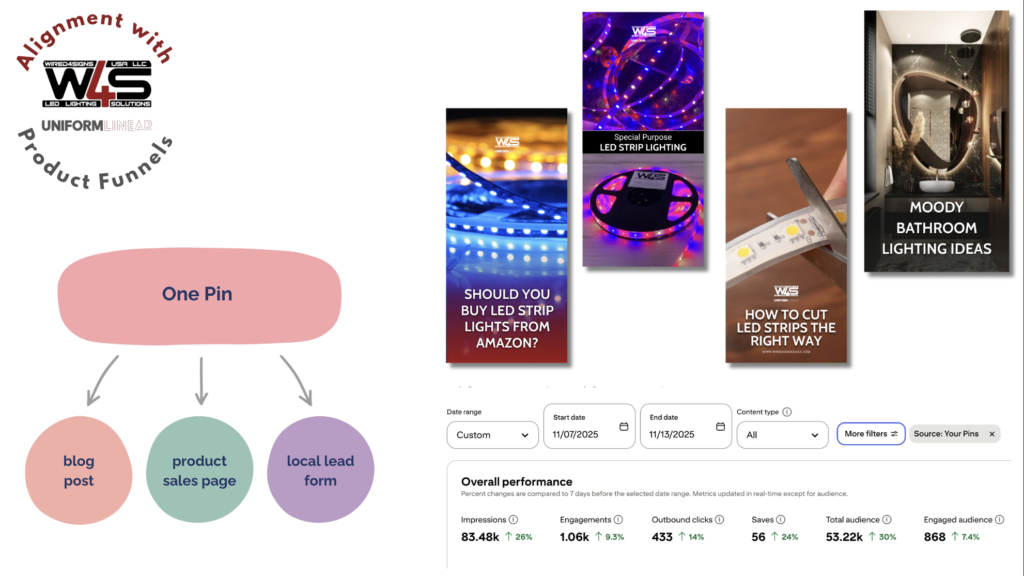
Before a single pin gets made, a manager figures out three things: who you want to find you, what those people are searching for, and where they should land when they click.
That landing spot matters a LOT. A candle shop might send people to a product page. A blogger might send them to a recipe. A coach might send them to a free guide that grows her email list.
Grab a sticky note and write down the one page on your website you most want strangers to see.
2. Keyword research, the Pinterest SEO part
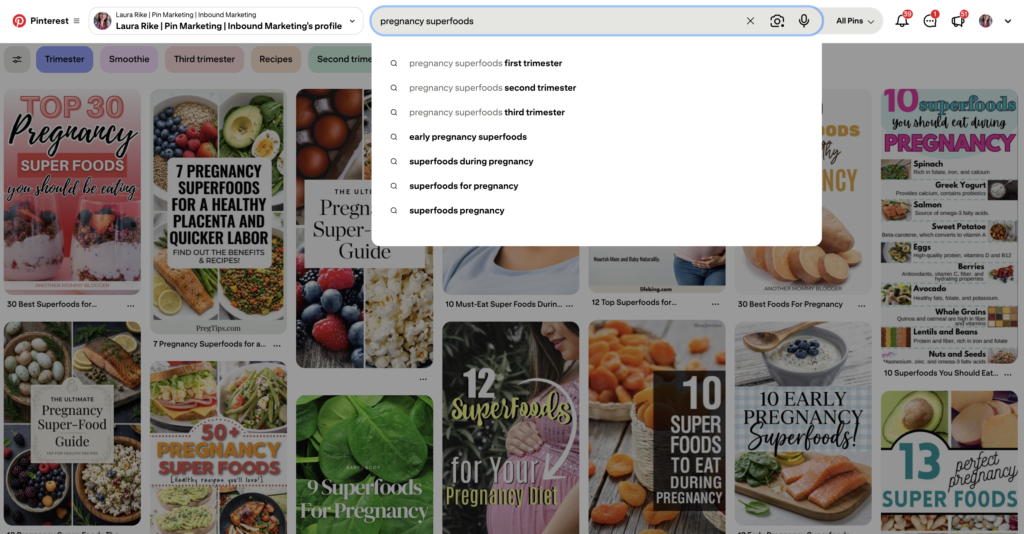
A keyword is simply the words people type into a search bar. Pinterest SEO means putting those exact words where Pinterest can read them. That includes your profile, your board names, your pin titles, and your pin descriptions.
This is the job most people skip. And it’s the one that decides whether anyone ever finds you.
A shop might call its board “The Autumn Glow Collection.” Cute name! But nobody types that into a search bar. They type something like “cozy fall candles.” A manager finds the words real people use and puts them on your labels.
Open Pinterest right now, type in your main product or topic, and look at the suggestions that drop down under the search bar. Those are real searches from real people.
3. Pin design and templates
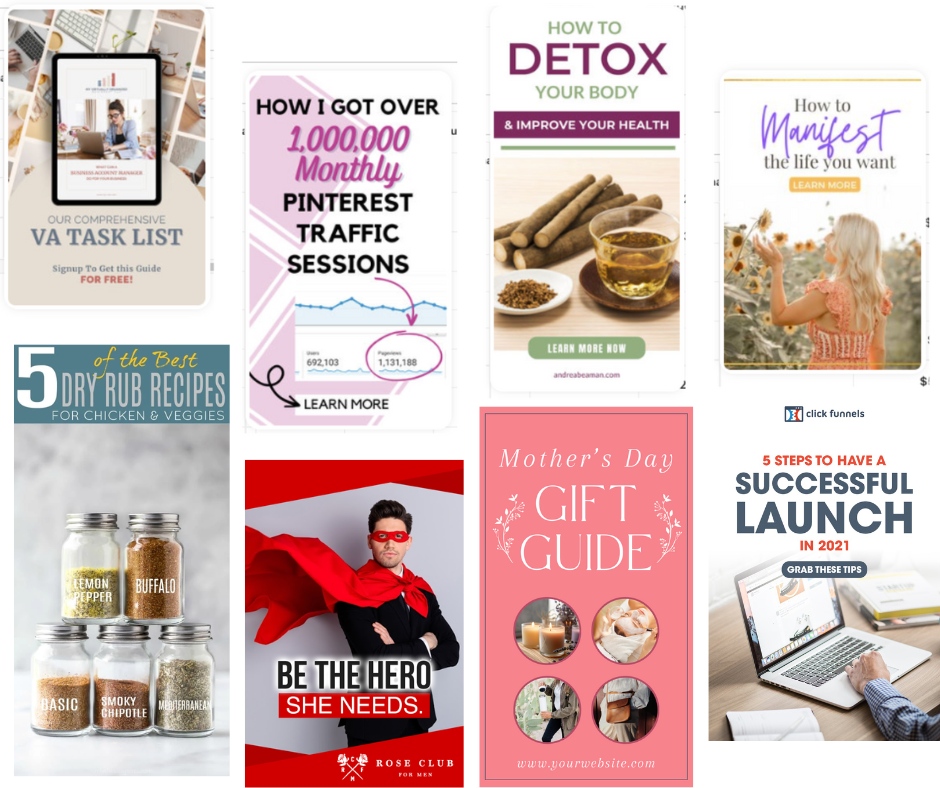
A pin is the picture or short video that links back to your website. Think of it as the book cover. It has to make someone stop and pick it up.
A manager builds branded templates, so every pin looks like you without starting from scratch each time. Pinterest recommends a 2:3 shape, like 1000 x 1500 pixels. Pins taller than that can get cut off in the feed.
One link can get several fresh pins. A blogger with one great recipe might get five pins, each with a different photo and headline. More covers, more chances to get picked up.
Pull up three of your own pins and check whether a stranger could tell what each one is about in two seconds.
4. Publishing pins on a steady rhythm
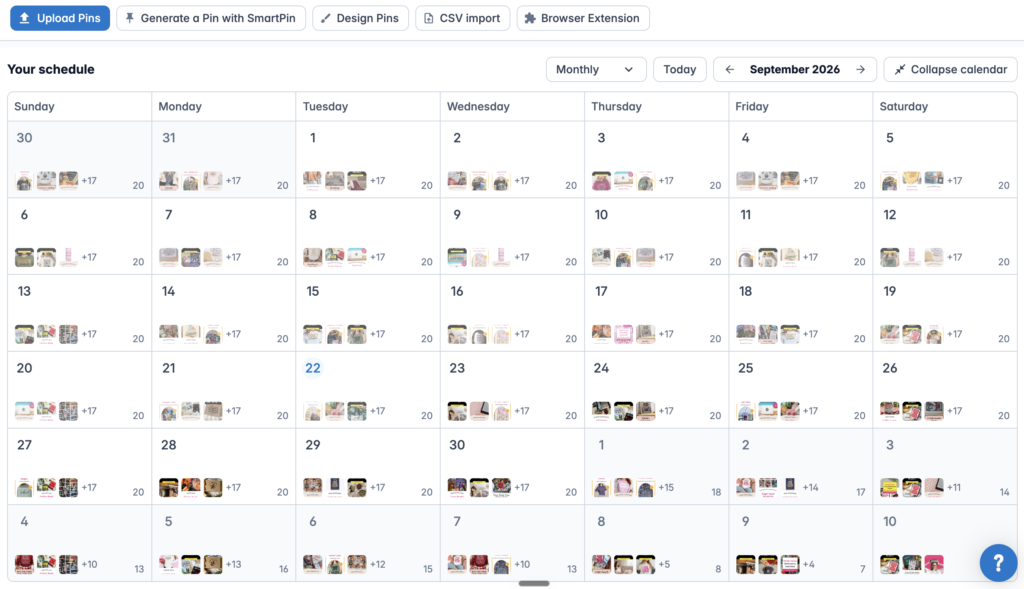
This is the scheduling part. A manager publishes new pins week after week, using Pinterest’s own scheduler or a Pinterest-approved tool.
Steady wins. Fifty pins on one Tuesday and then nothing for a month is like stocking every shelf in the library at once and then locking the doors. A regular rhythm keeps fresh books showing up for the people searching.
Count how many new pins you published last month. That number tells you a lot.
5. Analytics: checking which books get borrowed
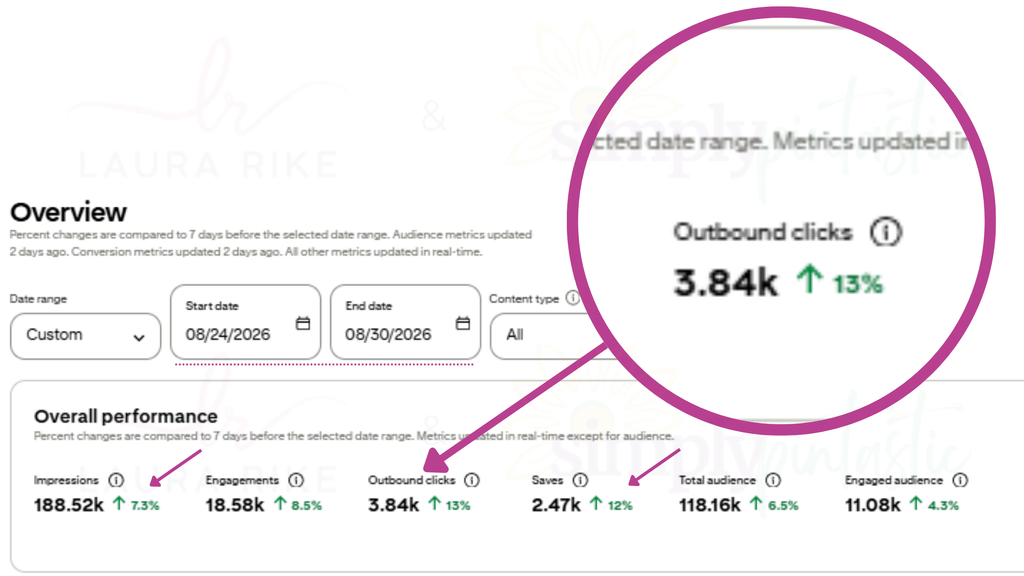
Every month, a manager looks at the numbers and decides what to do next. Three numbers matter most.
Impressions are how many times your pin showed up for someone. Outbound clicks are how many people clicked from your pin to your website. Saves are how many people liked a pin enough to keep it for later.
Pinterest’s numbers and your Google Analytics numbers almost never match perfectly. That’s normal, so a good manager checks both. Then they make more of what’s working and fix what isn’t.
Open Pinterest Analytics and find your top pin by outbound clicks. That pin is telling you what your buyers want more of.
6. Pinterest ads, when they make sense
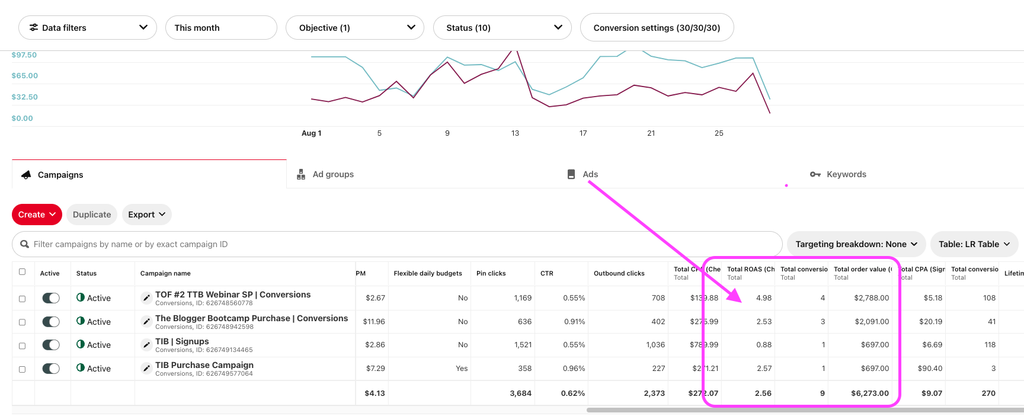
Ads are like paying to put your book on the display table right by the front door. They can speed things up. They work best on top of a strong foundation, once your keywords and pins are already doing their job.
Pinterest keeps adding ways to show up in search. On September 17, 2026, it announced Visual Search Ads, which place ads right inside search results. In that same announcement, Pinterest shared that people run more than 80 billion searches on the platform every month, and more than half of those searches have commercial intent. That’s a whole lot of people shopping around.
Hold off on ads until your organic pins bring in steady clicks. Then test a small budget on your best pin.
How Pinterest management brings in traffic that keeps working
On most apps, what you share today is old news by Friday. Pinterest works more like that library. A good pin stays on the shelf, and it can keep getting found by new people long after you made it, because they are searching for the answer it holds.
Pinterest says 96% of its top searches are unbranded. People are looking for ideas and solutions, which means they are open to finding you, even if they have never heard your name.
This plays out a little differently for each kind of business.
For e-commerce stores
Every product can have its own pins, each linking straight to that product page. Someone searches “gifts for new moms” in November, finds your pin, and lands right where they can buy. Your manager keeps adding pins for new products and new seasons, so the shelf keeps growing.
For bloggers
Each blog post becomes a set of pins that point to it. The best ones can send readers to your site for months. A manager also makes fresh pins for your older posts, so your archive keeps pulling its weight.
For small businesses and service providers
A coach, designer, or consultant can pin helpful tips that link to a free guide. That guide grows the email list. Then your email list does what it already does well, which is turn readers into clients, while Pinterest keeps sending new people through the library doors.
What you should get in a Pinterest management package
Use this checklist when you look at any Pinterest management proposal, including mine.
- A strategy session and a written plan for your goals
- Keyword research built around your real buyers
- Profile and board cleanup, with keywords in the right places
- Branded pin templates made for your business
- Fresh pins created and published on a steady rhythm
- Pins linking to specific pages, beyond just your homepage
- Monthly reporting in plain English
- Changes each month based on what the numbers show
- Ads management, if ads are part of your plan
- A real person you can ask questions
If a proposal skips the keyword work or the reporting, ask about it before you sign anything. Those two are the heart of the whole thing.
Real SimplyPintastic results
Numbers help, so here are a few from my Pinterest career. Different businesses, different goals, same search engine.
67% more revenue from organic Pinterest
This came from Pinterest alone, with no ads. That’s the library doing its job.
433% more blog traffic
For a blogger, traffic is the whole ballgame. This is what a well-stocked shelf can do.
141% more leads, and email leads for $0.57 each
Two different wins on the lead side. One is a 141% jump in leads. The other is new email subscribers coming in from Pinterest at 57 cents apiece, which is a pretty sweet place to be.
ClickFunnels traffic went from 100k to 599k a month
Big brand, same search engine. The basics scale up.
One more thing you should know before you hire anyone. Pinterest takes time. A new library needs a few months before the whole town knows where it is, and most people start seeing real movement somewhere around month three to six, and then it keeps building from there, which is exactly why the pins you publish this season are still working for you next season.
Pinterest management vs DIY: how to know when to hire
Plenty of people learn Pinterest themselves and do great. Other people would rather hand it off and never think about keywords again. Most folks land somewhere in between, and that’s fine too.
Hiring a Pinterest manager usually makes sense when:
- You already sell something that works, and you want more of the right people finding it.
- Pinterest has been on your “someday” list for months (or years).
- You tried it before, and it fizzled out.
- Your time is better spent on the work only you can do.
Doing it yourself fits better when you’re early in your business, you enjoy learning new tools, and you have a few hours a week to give it. If that sounds like you, my Pinterest Funnel Workshop is a friendly place to start.
If you’d love a team to run all of it for you, take a look at how my Pinterest management services work.
Frequently asked questions about Pinterest management
What does a Pinterest manager do?
A Pinterest manager runs your Pinterest account for you. They research keywords, set up your profile and boards, design and publish pins, check your analytics every month, and adjust the plan. Many also manage Pinterest ads. The goal is steady traffic, leads, and sales from people searching for what you sell.
How long does Pinterest management take to work?
Most businesses start seeing real movement around three to six months in. Pinterest works like a search engine, so results build up over time. The pins you publish this month can keep getting found long after, which is why results tend to grow the longer you stay consistent.
Is Pinterest management worth it for small businesses?
It can be, especially if you already have a product or service that sells. Pinterest brings in people who are searching for ideas and solutions, and Pinterest says 96% of its top searches are unbranded. That gives smaller businesses a real shot at getting found next to bigger names.
Do I need Pinterest ads to succeed?
No. Plenty of businesses grow on Pinterest without ads. Ads work best once your organic pins already bring in steady clicks. Then a small ad budget can put your best pins in front of even more people who are searching.
Can I do Pinterest management myself?
Yes, if you have the time and enjoy learning. You’ll need to handle keywords, pin design, publishing, and monthly analytics. Many business owners start on their own, then hand it off once they see results and would rather spend their hours somewhere else.
Your next step
A quick recap, so it all sticks:
- Pinterest management covers six jobs: strategy, keywords, pin design, publishing, analytics, and ads.
- Together, those jobs turn your Pinterest into a library that keeps bringing people to your website.
- A good package includes keyword work, fresh pins, and plain-English reporting every month.
Pinterest is a search engine. Your buyers are already in there, typing their questions. What matters is whether your book is on the shelf when they do.
If you want to see what Pinterest could look like for your business, book a free Pin Chat. It’s 20 minutes. You’ll walk away knowing whether Pinterest fits your business, what your strategy would include, and whether doing it yourself or handing it off makes more sense for you right now.
And if you ever need to know which encyclopedia presses flowers the flattest, I have opinions now. Too many opinions.


